
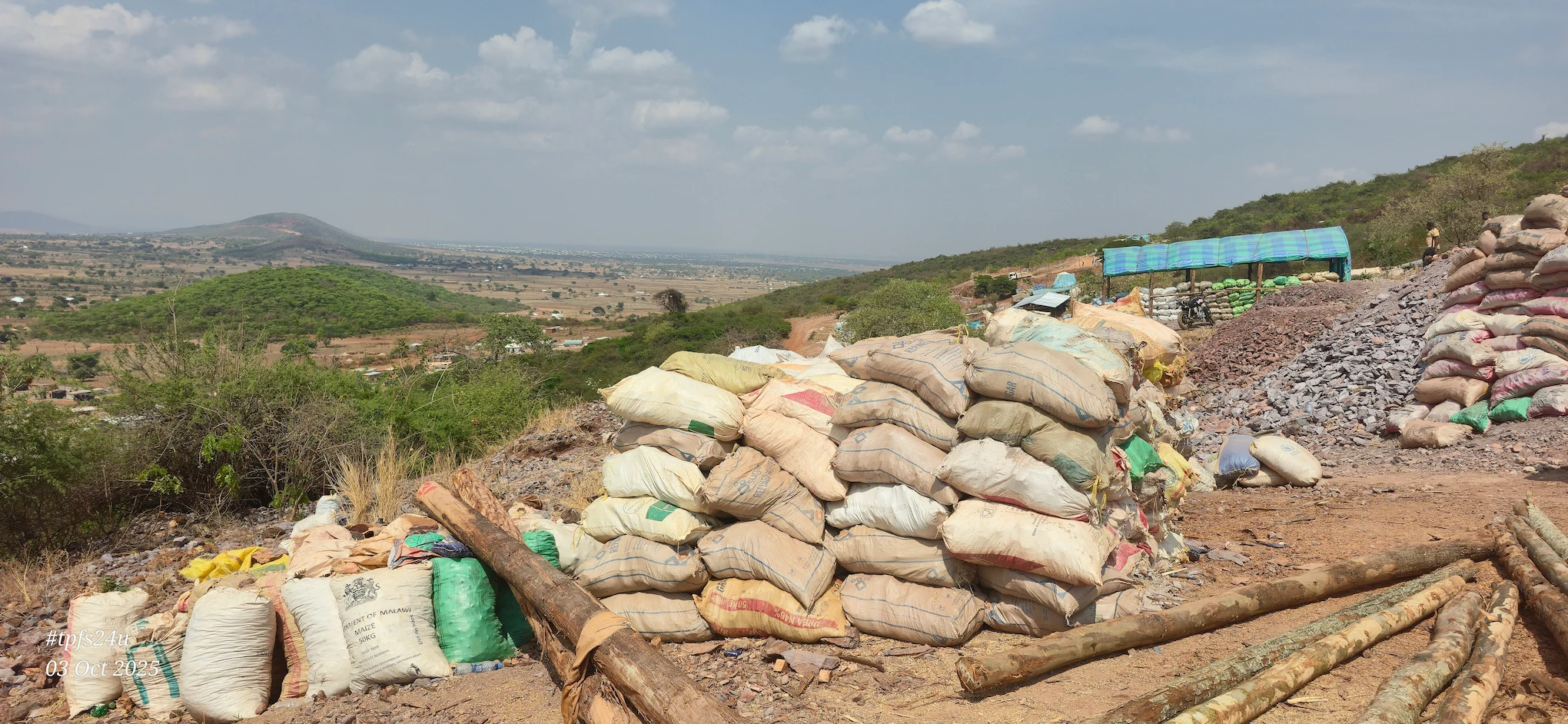
For decades, Africa’s mining laws, licensing systems and investment frameworks have largely been designed around large-scale mining operations. Artisanal and small-scale mining (ASM), despite supporting livelihoods and contributing to mineral production across the continent, has often remained at the margins of formal regulatory systems.
That distinction is becoming increasingly important as rising gold prices and growing demand for critical minerals attract new investment and commercial interests.
AfriMali Insight’s October 2026 research paper, Two Doors into African Minerals, examines whether artisanal and small-scale mining has become a second entry point into Africa’s mineral resources, and how weaknesses in governance can expose the sector to illicit financial flows.
Using Tanzania as the principal case and drawing comparisons with Ghana, Mozambique, the Democratic Republic of the Congo and Zimbabwe, the paper examines how formalisation policies, licensing systems and mineral trading arrangements operate in practice.
Across these five countries, different governance challenges emerge. Tanzania faces persistent concerns about illicit gold flows and the role of financing arrangements. Ghana’s community mining schemes have encountered political and institutional challenges. Mozambique illustrates the difficulties of formalising mining through licensing systems that do not adequately reflect conditions on the ground.
The Democratic Republic of the Congo and Zimbabwe offer further lessons through their experiences with artisanal cobalt and lithium production, respectively.
A central argument of the paper is that artisanal miners are not necessarily the principal beneficiaries of the informal and illicit mineral trade. Financing arrangements, mineral aggregation, trading networks and weaknesses in regulatory oversight can allow other actors to capture value further along the supply chain.
The research also distinguishes between gold, where illicit financial flows are relatively well documented, and critical minerals, where similar governance vulnerabilities may be emerging.
The findings raise important questions about the effectiveness of mining formalisation. Licensing systems alone cannot guarantee transparency or equitable participation when working miners struggle to access them and institutions lack the capacity to monitor production and trade.
The paper concludes with policy implications for improving licensing, strengthening oversight of mineral buyers and intermediaries, and ensuring that formalisation serves the miners and communities it is intended to support.
Download the full October 2026 AfriMali Insight research paper for the five-country comparison, findings and policy implications.