
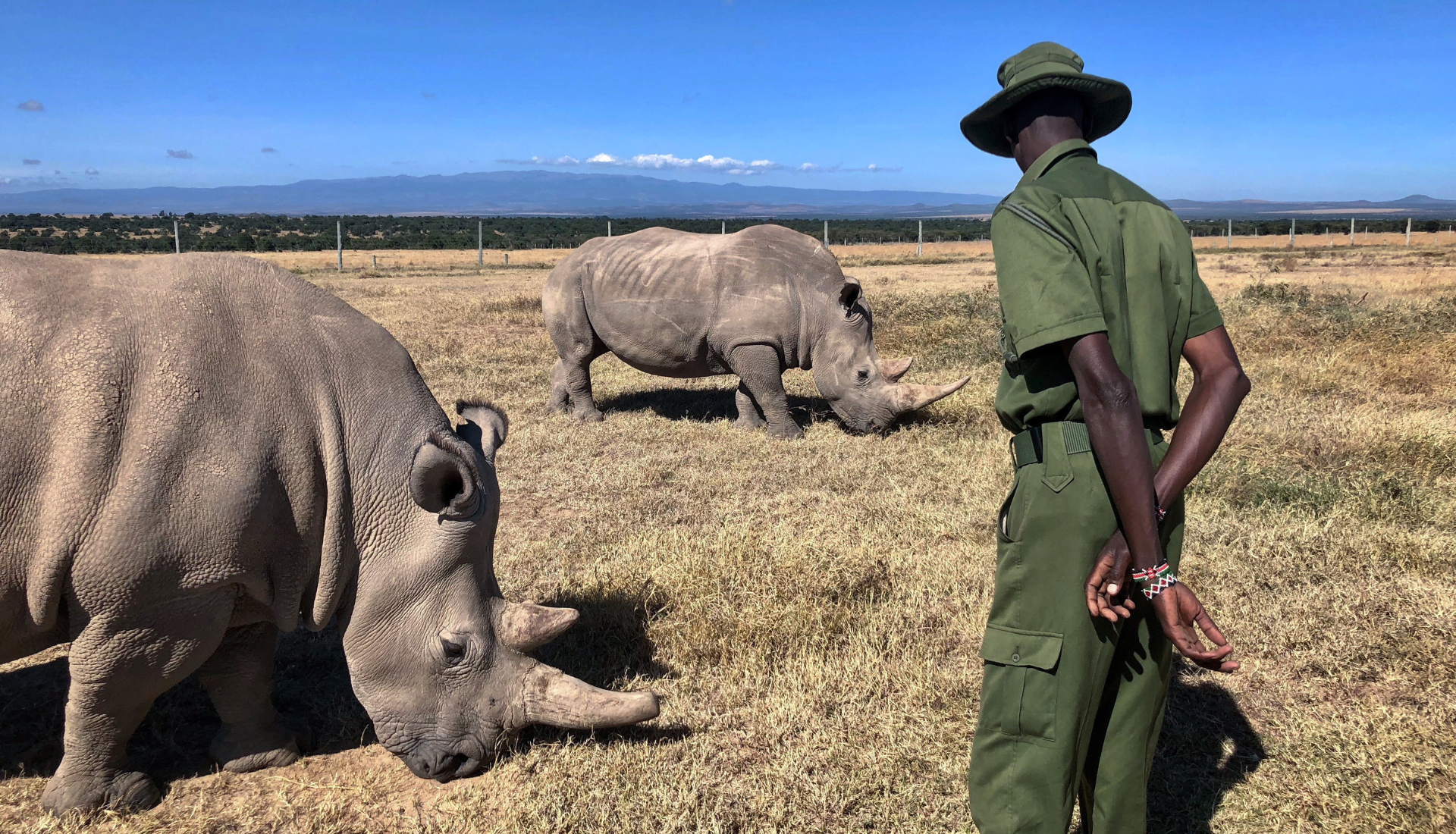
Illegal wildlife trafficking remains one of Tanzania’s most pressing natural resource governance challenges. While considerable progress has been made in strengthening legal frameworks and reducing large-scale poaching, organised trafficking networks continue to exploit institutional weaknesses, fragmented coordination and uneven implementation across the wildlife governance system.
The July 2026 edition of the AfriMali Insight Brief argues that the country’s principal challenge is no longer the absence of policy. Rather, it is ensuring that existing institutions, communities and partners work together effectively to translate policy into measurable outcomes.
Drawing on research from Tanzania and across Africa, the brief explores how illegal wildlife trafficking affects far more than biodiversity. It undermines tourism, weakens rural livelihoods, fuels organised crime and exposes persistent gaps in institutional coordination and enforcement.
Rather than focusing solely on enforcement, the publication examines collaborative governance as a practical pathway for strengthening implementation. It highlights the importance of institutional coordination, community stewardship, cross-sector partnerships and regional cooperation in protecting Tanzania’s natural heritage while supporting sustainable development.
The Brief Examines
- The evolving nature of illegal wildlife trafficking in Tanzania.
- The economic, governance and community impacts of wildlife crime.
- Why implementation gaps continue despite a strong legal framework.
- The role of collaborative governance in strengthening wildlife protection.
- Practical recommendations for policymakers, institutions and conservation stakeholders.
As part of AfriMali Insight’s Resource Governance & Policy Execution Series, this publication contributes to ongoing conversations around strengthening natural resource governance through evidence-informed analysis and practical implementation perspectives.
Download the full July 2026 Insight Brief below.